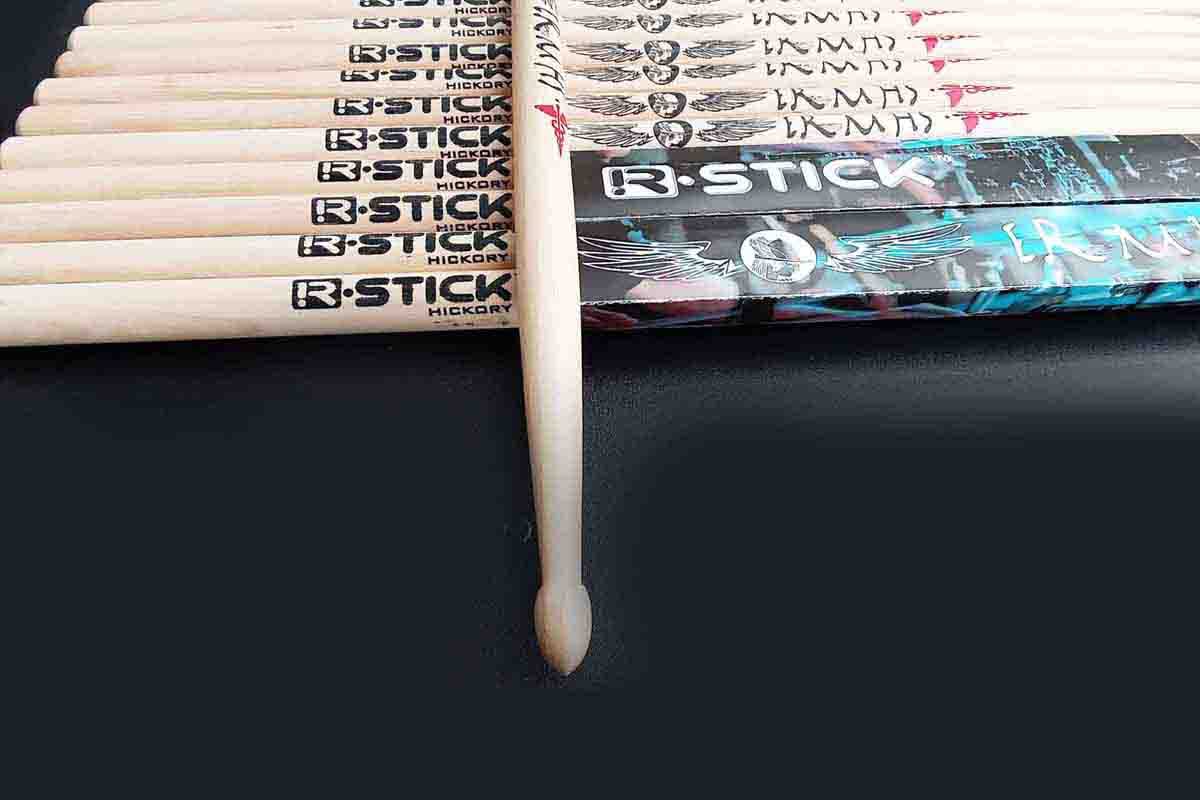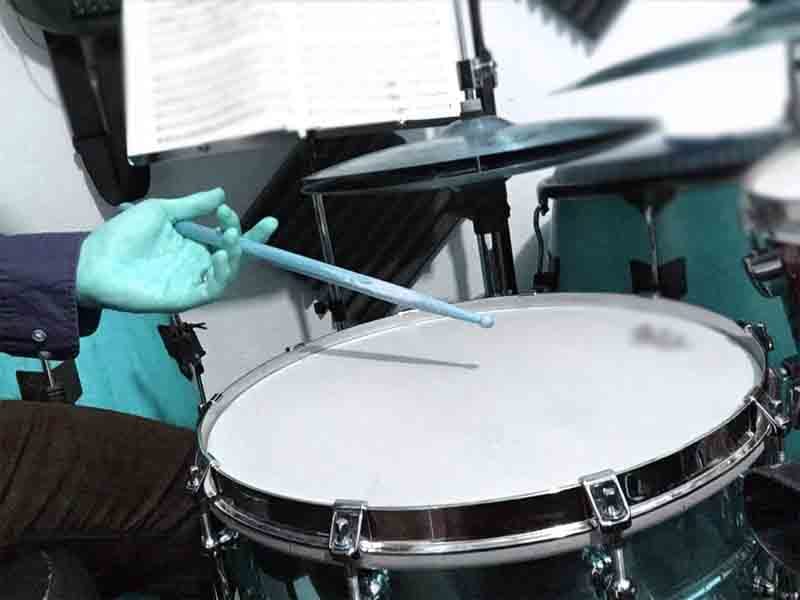
Physiotherapeutic Approach Drummers represent a unique group of musicians, as playing the drum kit requires highly repetitive movements, speed, strength, coordination, and prolonged physical loading. According to a study of 831 drummers, 68% reported a history of playing-related musculoskeletal disorders, with the upper limb being the most frequently affected area. The wrist and lower back were also commonly affected. (PubMed)
Playing the drum kit requires highly repetitive movements
The physiotherapeutic approach should be individualized and consider not only the painful area but also the drummer’s technique, posture, duration and intensity of practice, rest breaks, and overall load distribution. The literature supports posture education, playing-load management, progressive strengthening, flexibility, and general physical conditioning as important components of prevention. (PubMed)
Musculoskeletal Conditions in Drummers
Particular attention should be given to the assessment of the wrists, elbows, shoulders, cervical and thoracic spine, as well as the lumbar region. Appropriate strengthening and mobility exercises, ergonomic modifications, technique education, and fatigue-management strategies can also be incorporated. Prevention is especially important because non-neutral positions, repetitive movements, and vibration may contribute to the risk of injuries in drummers. (PubMed)
Support the drummer’s safe return
The goal of physiotherapy is not simply to reduce pain, but to to full musical activity and maintain performance while minimizing recurrent injuries.
Massage and acupuncture can be used as complementary approaches for managing musculoskeletal pain in drummers. For carpal tunnel syndrome, massage and manual therapy technique say help reduce symptoms and improve function, while acupuncture may provide pain relief, although the quality of evidence varies. For lateral epicondylitis (tennis elbow), acupuncture has demonstrated improvements in pain and function. For low back pain and other musculoskeletal conditions, these approaches may also be incorporated into a comprehensive physiotherapy program. Physiotherapeutic Approach